
SAMHSA is celebrating the first national Substance Use Disorder Treatment Month in January to highlight resources that connect people to the support, treatment and care they deserve.
Throughout the month, SAMHSA has highlighted various themes to advance understanding and support for treatment options. Week 3, “Demystifying Treatment Options,” emphasizes the critical roles of FDA-approved Medication-Assisted Treatments (MAT) such as methadone, buprenorphine, and naltrexone, which can help improve long-term recovery outcomes from opioid and other substance use disorders.
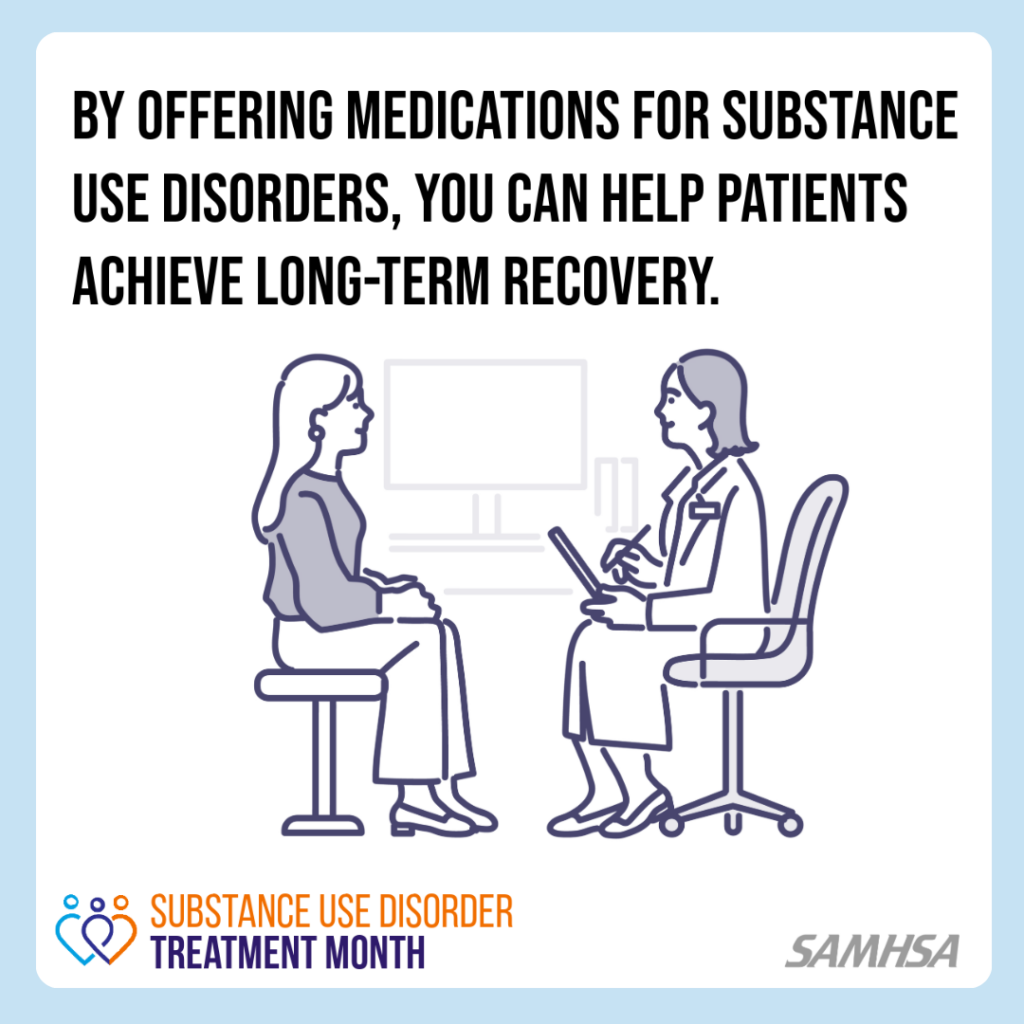
Source: Substance Abuse and Mental Health Services Administration (SAMHSA)
The Impact of MAT in Opioid and SUD Recovery
Medication-Assisted Treatment (MAT) is revolutionizing the treatment landscape for opioid and other substance use disorders. By combining medications with counseling and behavioral therapies, MAT helps sustain recovery and prevent overdose, significantly improving patient outcomes.
Adapting to New Federal Guidelines for OTPs
The recent updates to Federal Guidelines for Opioid Treatment Programs are a game changer. They provide clearer directives on the use of electronic health records (EHRs), standardize data reporting requirements, and encourage the use of telehealth services. These changes are designed to streamline processes within treatment facilities, ensuring that patients receive the most effective and timely care possible.
Why EHRs Matter in Opioid Treatment Programs
EHRs are more than digital repositories of a patient’s paper chart. They are a vital part of the healthcare infrastructure and integral to enhancing the efficiency and effectiveness of Opioid Treatment Programs (OTPs).
Implementing comprehensive behavioral health EHR software systems in OTP settings not only aligns with the Federal Guidelines’ emphasis on modernizing and improving patient care but also significantly enhances operational efficiencies and compliance. As such, EHRs are pivotal in helping OTPs meet both current healthcare standards and the evolving needs of their patients:
Promoting Patient-Centered Care
EHRs provide a unified view of each patient’s history, treatment plan, medications, and progress, giving care teams the information they need to deliver more personalized support. With behavioral, physical, and social needs documented in one place, providers can coordinate care more effectively and improve long-term treatment outcomes.
Enabling Connected Care Delivery
Effective SUD treatment extends beyond individual appointments. Integrated EHR platforms help organizations connect care teams, patients, and services through capabilities such as telehealth, digital communication, appointment management, and client engagement tools. By bringing these touchpoints together within a single platform, organizations can strengthen improve continuity of care, reduce barriers to treatment, and support long-term recovery outcomes.
Empowering Multi-Disciplinary Collaboration
Successful SUD treatment often involves counselors, prescribers, nurses, case managers, peer support specialists, and other professionals. An integrated EHR enables these teams, regardless of location, to securely access shared information, coordinate care plans, and stay aligned around patient goals, ensuring consistent and coordinated care.
Improving Medication Management
Integrated medication management tools simplify prescription management and streamline ordering, dispensing, and inventory tracking. By connecting these workflows directly within the EHR, organizations can reduce manual processes, improve accuracy, and monitor patient adherence. This supports safe, accountable medication delivery, which is vital for recovery.
Supporting Regulatory Compliance
SUD programs face complex regulatory requirements related to documentation, privacy, medication management, and reporting. Automating compliance checks within EHRs can help ensure that all treatment protocols meet the necessary standards. Built-in compliance tools help organizations maintain accurate records, simplify audits and reporting processes, and lower the administrative burden associated with regulatory oversight, reducing the risk of non-compliance.
Facilitating Quality Improvement
EHR data can provide valuable insights into treatment outcomes, patient engagement, and operational performance. By aggregating and analyzing data to track trends across programs and populations, organizations can identify opportunities for improvement, measure the impact of interventions, and make more informed strategic decisions and policy adjustments.
Medication-Assisted Treatment Software and Modern Tech for SUD Treatment
EHRs and MAT are transformative elements in the treatment of substance use disorders, providing tools that empower healthcare providers to deliver better care and involve patients more transparently in their treatment plans.
As we continue to demystify treatment options, it is crucial to advocate for and support the adoption of these modern technologies in substance use disorder treatment settings. Together, we can improve care delivery and enhance the recovery journey for those battling substance use disorders.
Content provided by Dr. Jorge R. Petit, Chief Clinical Advisor