
As behavioral health crises continue to rise, emergency departments have become an all-too-common — and often traumatizing — entry point for individuals in distress. Recognizing the need for a better approach, CN Guidance & Counseling Services (CN Guidance) launched one of the first intensive crisis stabilization centers in New York State providing 24/7/365 mental health and substance use services for those experiencing crisis and their families. CN Guidance recently joined us for a webinar, “Breaking the Revolving Door: How an Intensive Crisis Stabilization Center Is Reducing ER Reliance,” to share their experience designing and launching the “Community Crisis Center” (CCC). Watch the webinar to hear directly from their leadership team or keep reading for a recap of lessons learned.
Lesson 1: Emergency Departments Aren’t Designed for Today’s Behavioral Health Crisis
After COVID, demand for behavioral health services rose sharply. Emergency rooms saw increasing psychiatric visits, while communities experienced higher rates of anxiety, depression, loneliness, substance use, and overdose.
Meanwhile, outpatient behavioral health services remained constrained by long waitlists. People in crisis were often routed into emergency departments through systems that felt confusing, overwhelming and retraumatizing. ERs became a revolving door — absorbing demand but unable to provide the right level of care.
Lesson 2: Crisis Stabilization Works Best Outside the ER
CN Guidance launched the CCC in December 2025 to offer a clear alternative, providing a safe place designed specifically for behavioral health and substance use crises. Instead of defaulting to the emergency room, individuals can receive immediate, on‑site stabilization in an environment built for that purpose.
The goal isn’t just diversion — it’s alignment. People in crisis should be met with care that fits their needs, while hospitals and first responders are free to focus more on medical emergencies.
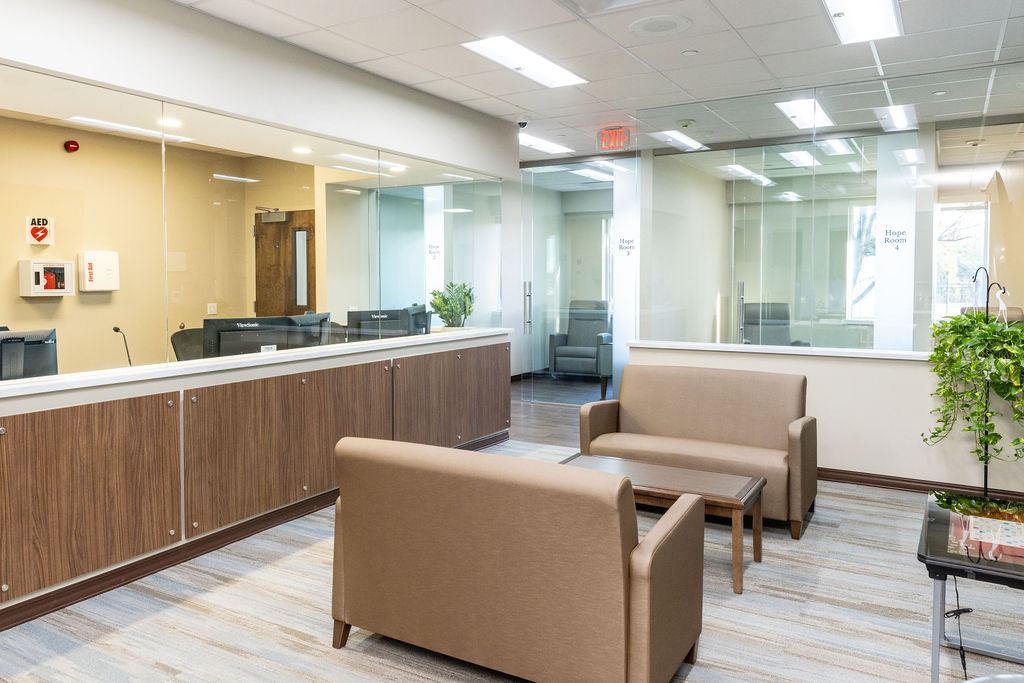
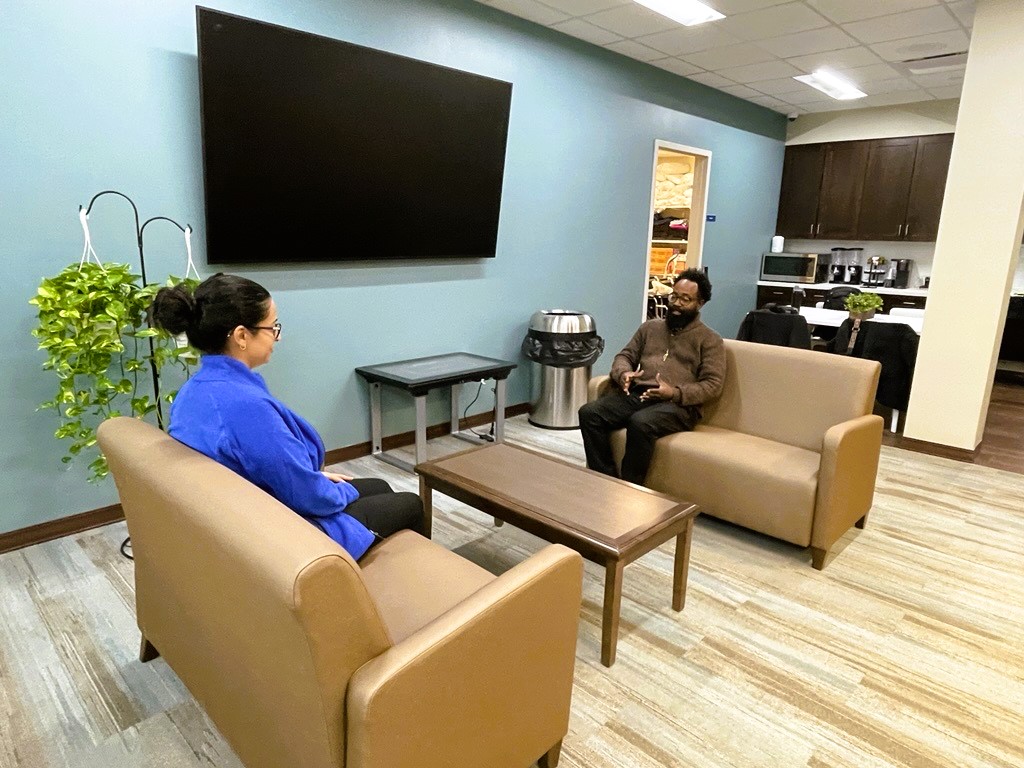
Lesson 3: Trauma‑Informed Design Is Clinical, Not Cosmetic
From day one, the CCC team approached design as a clinical intervention. They studied other crisis centers, consulted with architects, and applied trauma‑informed principles throughout the space.
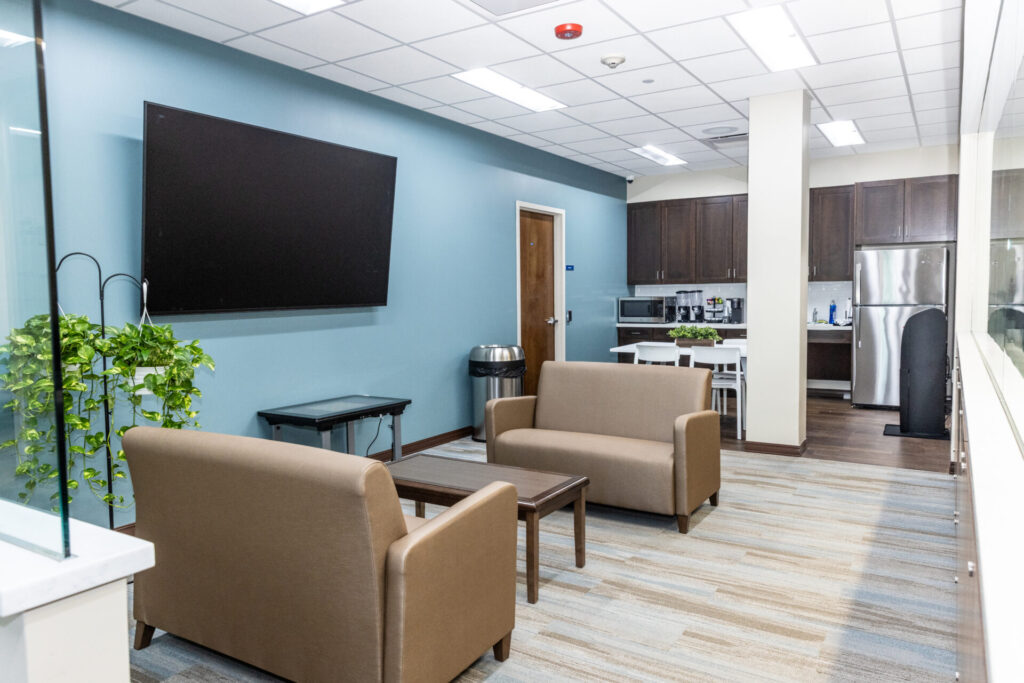
A recurring theme that emerged from this work is that sight, smell, and sound matter deeply in moments of crisis. Unlike traditional emergency settings, the CCC was intentionally designed to feel calm, welcoming, and therapeutic, while supporting regulation rather than escalation. The result is a center that feels more comforting than a hospital, without sacrificing clinical rigor.

Lesson 4: Lived Experience Should Shape the Environment — and the Team
CN Guidance conducted focus groups with people who had lived experience using crisis services to better understand what environments felt unsafe or triggering in past settings.
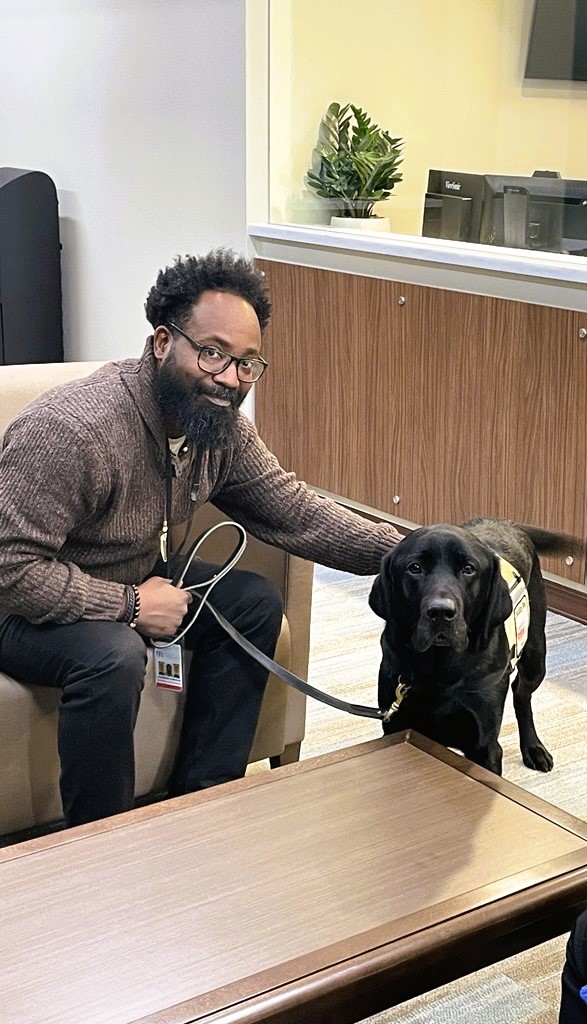
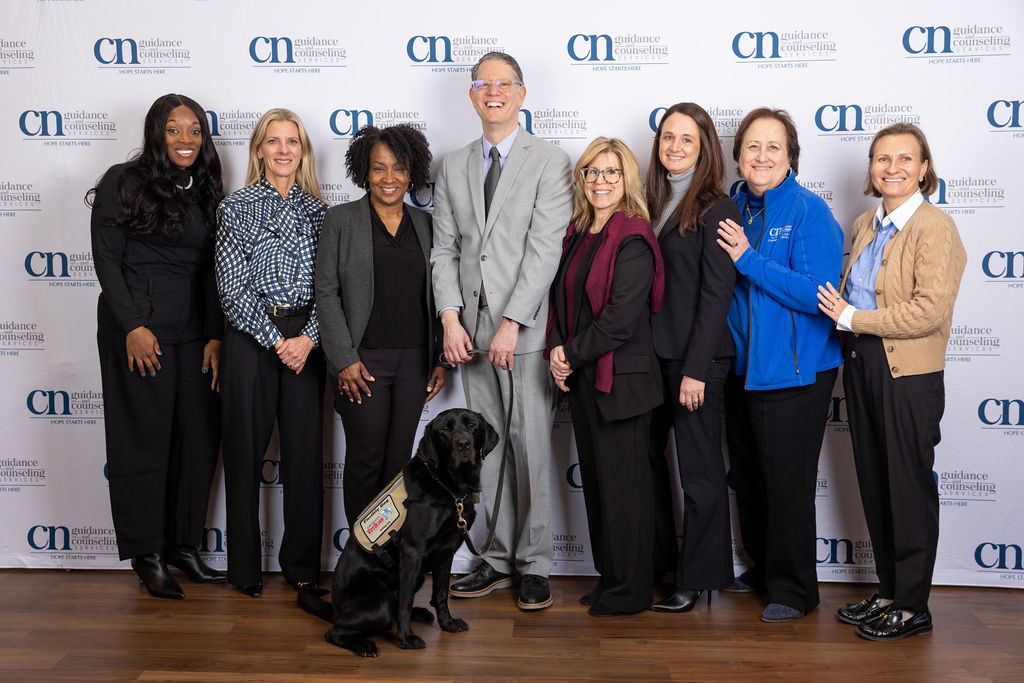
That feedback directly informed lighting, acoustics, layout, and flow. It laid the foundation for every decision made, including staffing. The CCC team includes individuals with lived recovery experience, reinforcing empathy and trust. Even small details — like the presence of Arnie, a trained wellness dog who offers comfort to people in distress — reflect this commitment.


Lesson 5: Crisis Centers Must Be Embedded in a Broader Crisis Continuum
A crisis center can’t function as a standalone solution. The CCC was intentionally integrated into the local crisis continuum, working closely with 988, crisis lines, mobile crisis teams, hospitals, schools, and law enforcement to map out hand-offs and referral workflows.
This required consistent relationship‑building and community buy-in, which included connecting and communicating with 75 community groups and securing 50+ letters of support from various organizations. Law enforcement agencies were also engaged early to set up a mutual support system. Integration, not isolation, made the model viable.
Lesson 6: Family‑Centered Crisis Care Prevents Additional Trauma
Focus group participants were clear that separating people, especially children, from their support systems during a crisis often makes things worse.
In response, the CCC includes dedicated family rooms, private bathrooms, access to food, and relaxation areas. Children and adults are served in separate, thoughtfully designed spaces that prioritize safety while keeping families involved whenever possible. The environment is inclusive, warm, and reflective of the diverse communities it serves.


Lesson 7: Community Awareness Is an Operational Requirement
The CCC didn’t rely on people discovering it organically. CN Guidance invested in sustained community education and outreach by engaging schools, hospitals, community‑based organizations, culturally relevant partners, and local governments.
The two-year outreach initiative included printed and digital materials, social media, paid advertising (watch a 60-second ad spot), press coverage, and consistent construction updates to keep the community informed. The impact was immediate, as more than 100 individuals were served in the first month, with utilization continuing to climb — evidence that awareness is critical to access.
Lesson 8: Technology Decisions Made Early Shape Long‑Term Success
CN Guidance began with a formal RFP focused on consolidating multiple EHRs across the organization, using the CCC as an opportunity to move from three systems toward a more unified platform. While the CCC had specific needs, particularly around medication management, the team also evaluated technology in the context of the agency’s broader programs and New York’s complex billing and regulatory environment.
CN Guidance selected Cantata’s Arize EHR to create a foundation for scaling and supporting future crisis and treatment programs across the organization. The CCC became the first program brought live in Arize, helping the team define what data to collect from day one and establish clean, reliable reporting. Hands‑on vendor support during go‑live further reinforced the importance of a responsive technology partner in a crisis setting.
Final Takeaway
The early success of the CCC reflects a series of intentional choices made long before the doors opened. Communities looking to replicate this model should engage stakeholders early and often—bringing providers, schools, law enforcement, and government partners into the process from the beginning to build trust and alignment. Learning from peers doing this specific work, both what succeeded and what didn’t, also helps ground planning in real-world experience.
Leaders should anchor every decision in a trauma-informed vision shaped by people with lived experience and carry that perspective through design, operations, and staffing. Rather than creating a standalone solution, new crisis centers should be intentionally integrated into the existing crisis continuum, with workflows aligned across systems. Finally, close collaboration between clinical leadership, architects, and operators is essential to ensure the physical space supports care from entry to exit.

Watch the webinar to hear directly from CN Guidance how they approached crisis center design, system integration, and technology selection. If you’re exploring how the right EHR can support community‑based crisis care, let’s talk about what Arize can do for your organization.


